
Introduction
Homemade Reese’s Eggs are the ultimate treat for peanut butter and chocolate lovers, especially during Easter season when everyone craves those iconic candy eggs. Making your own version at home allows you to control the ingredients, customize the sweetness, and create a fresher, more flavorful alternative to store-bought options. These delightful treats combine creamy peanut butter filling with a smooth chocolate coating, creating that perfect balance of sweet and salty that makes them absolutely irresistible. Whether you’re planning an Easter celebration, looking for a thoughtful homemade gift, or simply want to satisfy your sweet tooth, this recipe delivers professional-looking results without requiring any special candy-making skills. The process is surprisingly simple and forgiving, making it perfect for beginners and experienced bakers alike. Plus, when you make these at home, you can experiment with different chocolate types, adjust the peanut butter ratio, and even create variations like Reese’s Pieces Cookies or Reeses Brownies for a fun twist on the classic flavor combination.
Nutritional Benefits
While Homemade Reese’s Eggs are certainly an indulgent treat, they do offer some nutritional value thanks to their main ingredient: peanut butter. Peanuts are packed with protein, healthy fats, and essential nutrients like vitamin E, magnesium, and potassium. When you make these at home, you have complete control over the quality of ingredients, allowing you to choose natural peanut butter without added oils or sugars, and select high-quality chocolate with a higher cocoa percentage for additional antioxidants. The protein content from peanut butter helps keep you satisfied longer than pure sugar candies, making these a slightly more balanced sweet treat. By adjusting the recipe to use dark chocolate instead of milk chocolate, you can increase the antioxidant content while reducing sugar. You can also reduce the overall sugar content in the filling to create a less sweet but still delicious version that’s easier on your blood sugar levels.
| Nutrition | Per Serving (1 egg) |
|---|---|
| Calories | 165 |
| Total Fat | 11g |
| Saturated Fat | 4g |
| Cholesterol | 2mg |
| Sodium | 85mg |
| Carbohydrates | 14g |
| Fiber | 1g |
| Sugar | 11g |
| Protein | 4g |
Ingredients & Substitutions
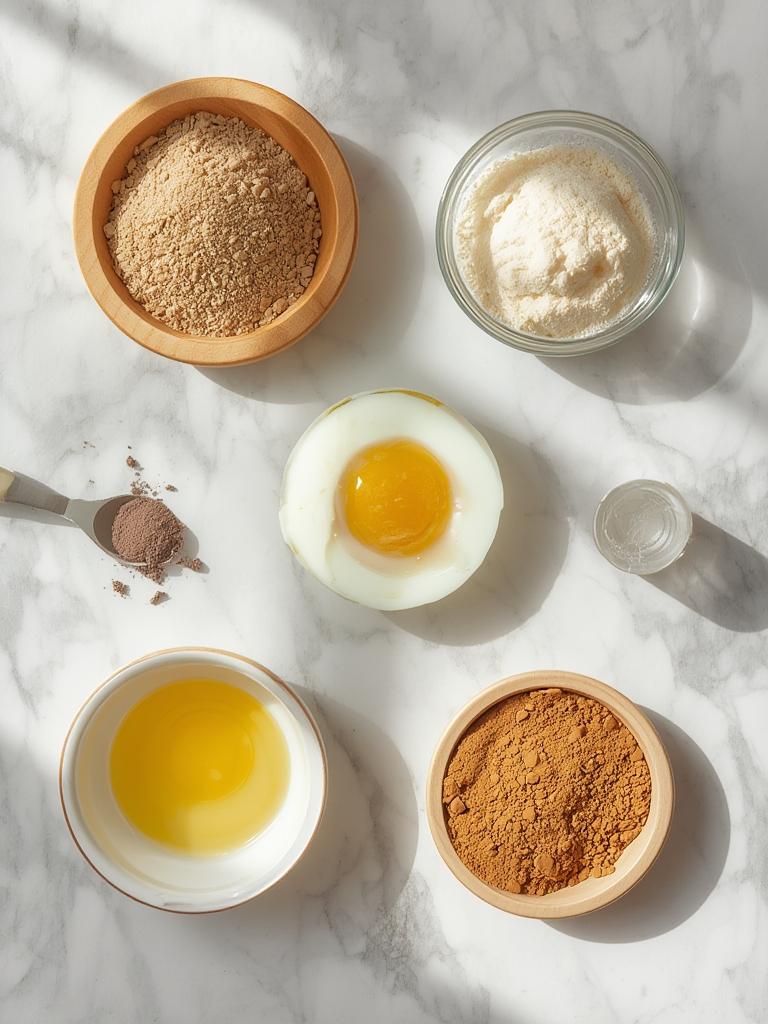
Understanding the role of each ingredient helps you make successful substitutions based on dietary needs or preferences. The beauty of this recipe is its flexibility, allowing you to customize while maintaining that signature peanut butter cup flavor.
| Ingredient | Role | Possible Substitutions |
|---|---|---|
| Creamy Peanut Butter (1½ cups) | Main flavor and base of filling | Almond butter, cashew butter, sunflower seed butter (for nut-free), or cookie butter |
| Powdered Sugar (2 cups) | Sweetens and firms up filling | Coconut sugar (powdered in blender), monk fruit powdered sweetener, or erythritol-based powdered sweetener |
| Butter (¼ cup, softened) | Adds richness and helps binding | Coconut oil (for dairy-free), vegan butter, or additional peanut butter |
| Vanilla Extract (1 teaspoon) | Enhances overall flavor | Almond extract, maple extract, or omit if needed |
| Salt (¼ teaspoon) | Balances sweetness | Sea salt or kosher salt; adjust based on peanut butter saltiness |
| Chocolate Chips (2½ cups) | Creates outer coating | Dark chocolate, sugar-free chocolate chips, chocolate melting wafers, or chopped chocolate bars |
| Coconut Oil (2 tablespoons) | Thins chocolate for smooth coating | Vegetable shortening, refined coconut oil (for no coconut flavor), or butter |
Equipment Needed
Having the right tools makes this process much smoother and more enjoyable. Fortunately, you don’t need any specialized candy-making equipment to create beautiful Homemade Reese’s Eggs. Here’s what you’ll need:
Mixing bowl – A medium-sized bowl for combining the peanut butter filling ingredients.
Electric mixer or wooden spoon – An electric mixer makes the job easier, but a sturdy wooden spoon works perfectly fine for mixing the thick filling.
Parchment paper or silicone baking mat – Essential for preventing sticking and making cleanup a breeze.
Baking sheet – To hold the shaped eggs while they chill and set.
Microwave-safe bowl or double boiler – For melting the chocolate coating smoothly.
Fork or dipping tool – To dip the eggs into chocolate while allowing excess to drip off.
Refrigerator space – You’ll need room to chill the eggs at various stages.
Optional: egg-shaped cookie cutter or mold – Helps create uniform shapes, though hand-shaping works perfectly well.
Step-by-Step Instructions
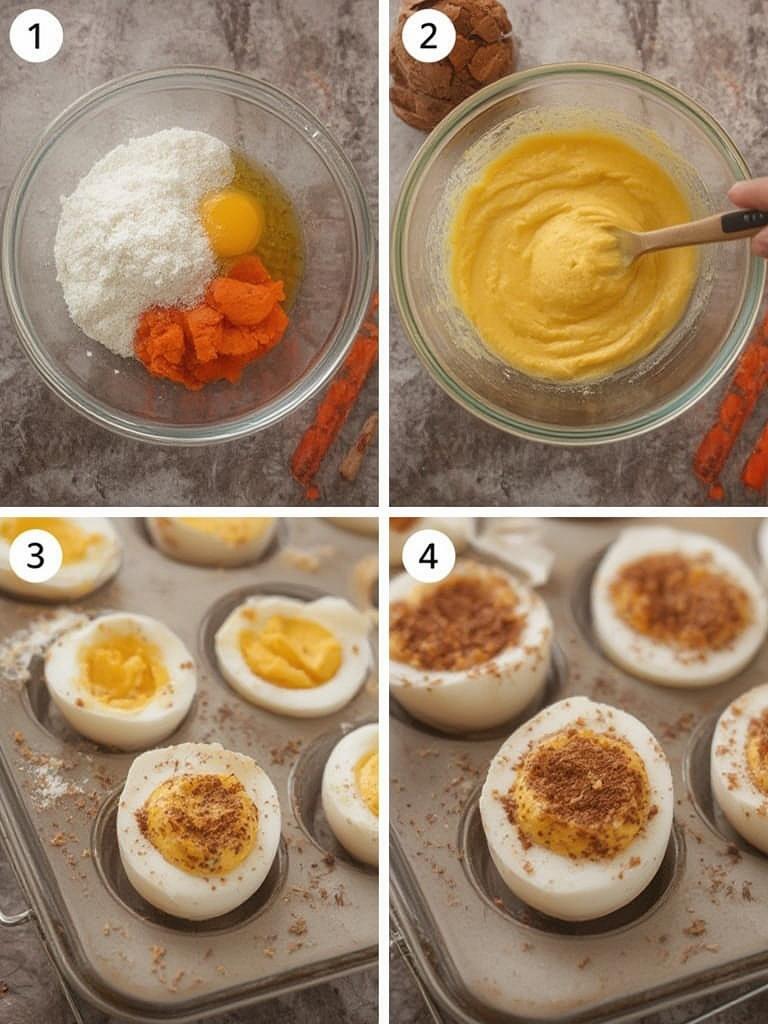
Creating perfect Homemade Reese’s Eggs is easier than you might think when you follow these detailed steps. The key is patience during the chilling stages, which ensures your eggs hold their shape during the chocolate coating process.
Step 1: Prepare Your Workspace
Line a baking sheet with parchment paper or a silicone baking mat and set it aside. Clear some space in your refrigerator and freezer, as you’ll need room for chilling the eggs at different stages. This preparation makes the process flow smoothly without interruptions.
Step 2: Make the Peanut Butter Filling
In a medium mixing bowl, combine the creamy peanut butter, softened butter, vanilla extract, and salt. Using an electric mixer on medium speed or a sturdy wooden spoon, blend these ingredients together until they’re smooth and well incorporated. The mixture should look creamy and uniform in color. Gradually add the powdered sugar, about half a cup at a time, mixing thoroughly after each addition. The mixture will become increasingly thick and eventually form a dough-like consistency that you can shape with your hands. If the mixture seems too dry and crumbly, add an extra tablespoon of peanut butter. If it’s too sticky, add a bit more powdered sugar.
Step 3: Shape the Eggs
Scoop out about two tablespoons of the peanut butter mixture and roll it into a ball between your palms. Then gently shape it into an egg form by applying slight pressure to create one slightly pointed end and one more rounded end. Place each shaped egg on your prepared baking sheet. Continue until all the filling is used—this recipe typically makes about 18-20 eggs depending on size. Try to make them as uniform as possible so they look professional, but don’t worry too much about perfection; slight variations add homemade charm.
Step 4: First Chill
Place the baking sheet with the shaped eggs in the freezer for at least 30 minutes. This firming step is crucial because it helps the eggs maintain their shape when you dip them in warm chocolate. If you skip this step or don’t chill them long enough, they may soften and lose their shape during coating.
Step 5: Prepare the Chocolate Coating
About five minutes before your eggs are done chilling, prepare the chocolate coating. Combine the chocolate chips and coconut oil in a microwave-safe bowl. Microwave in 30-second intervals, stirring thoroughly between each interval, until the chocolate is completely melted and smooth. Alternatively, you can melt the chocolate using a double boiler on the stovetop, stirring constantly until smooth. The coconut oil helps thin the chocolate to the perfect consistency for coating. Let the melted chocolate cool for about 2-3 minutes before dipping—if it’s too hot, it may melt the peanut butter filling.
Step 6: Dip the Eggs
Remove the chilled eggs from the freezer. Working with one egg at a time, place it on a fork and lower it into the melted chocolate, using a spoon to cover the top completely. Lift the egg out on the fork, gently tap the fork against the side of the bowl to allow excess chocolate to drip off, then carefully slide the coated egg back onto the parchment-lined baking sheet using a toothpick or knife to help release it from the fork. You can use the same toothpick to smooth over any imperfections in the chocolate coating. Repeat with the remaining eggs, working relatively quickly so the chocolate doesn’t harden before you finish dipping.
Step 7: Final Chill and Set
Once all the eggs are coated, return the baking sheet to the refrigerator for at least 30 minutes, or until the chocolate is completely set and firm to the touch. For faster setting, you can use the freezer for about 15 minutes instead. These treats inspired many variations including Home Made Reese Cups, Diy Reeses Cups, and even Healthy Reeses Cups for those watching their nutrition, and they pair wonderfully with other peanut butter chocolate creations that you can serve at gatherings.
Step 8: Finishing Touches
Once the chocolate is completely set, your eggs are ready to enjoy. For an extra decorative touch, you can drizzle contrasting chocolate (white chocolate if you used dark, or dark chocolate if you used milk) over the top in zigzag patterns. Allow this decorative chocolate to set before serving or packaging.
Troubleshooting & Pro Tips
Problem: Filling is too crumbly and won’t hold together
This usually happens when there’s too much powdered sugar relative to the wet ingredients. Add peanut butter one tablespoon at a time until the mixture comes together. You can also add a tiny bit of melted butter or a teaspoon of honey to help bind it.
Problem: Eggs lose their shape when dipping
The most common cause is not chilling them long enough before coating. Make sure they’re firm to the touch before dipping. If they start to soften during the coating process, return them to the freezer for a few minutes before continuing. Working with cold eggs and slightly cooled (but still liquid) chocolate produces the best results.
Problem: Chocolate coating is too thick
Add more coconut oil, one teaspoon at a time, stirring well after each addition until you reach the desired consistency. The chocolate should flow smoothly off your spoon.
Problem: Chocolate develops white streaks or spots
This is called chocolate bloom and happens when chocolate gets too hot or experiences temperature fluctuations. While it doesn’t affect taste, it looks less appealing. Prevent this by not overheating the chocolate and storing the finished eggs at consistent temperatures.
Pro Tip: Create a smooth bottom
For a flat, professional-looking bottom on your eggs, place each freshly dipped egg on the parchment paper, then gently press down with the back of a spoon to flatten the bottom slightly before the chocolate sets.
Pro Tip: Use quality ingredients
The flavor of your Homemade Reese’s Eggs depends entirely on your ingredients. Choose natural peanut butter with just peanuts and salt for the best flavor, and select good-quality chocolate rather than cheap chips.
Pro Tip: Make them mini
You can make mini eggs using about one teaspoon of filling each. These are perfect for portion control and look adorable in Easter baskets or as cake decorations.
Pro Tip: Add texture
Mix in finely chopped peanuts, crispy rice cereal, or crushed pretzels to the filling for added texture and interest. Just reduce the powdered sugar slightly to compensate for the added volume.
Storage & Make-Ahead Tips
Homemade Reese’s Eggs store beautifully, making them perfect for advance preparation during busy holiday seasons. Proper storage ensures they maintain their texture and flavor for weeks.
Room Temperature Storage: These eggs can be kept at cool room temperature (below 70°F) in an airtight container for up to one week. Place parchment paper between layers to prevent sticking. However, in warmer climates or during summer months, room temperature storage isn’t recommended as the chocolate may soften.
Refrigerator Storage: For longer storage and in warmer environments, keep the eggs in an airtight container in the refrigerator for up to three weeks. The cool temperature keeps the chocolate firm and the filling fresh. Let them sit at room temperature for about 10 minutes before eating for the best texture and flavor.
Freezer Storage: These eggs freeze exceptionally well for up to three months. Place them in a single layer on a baking sheet and freeze until solid, then transfer to a freezer-safe container or bag with parchment paper between layers. This prevents them from sticking together. Thaw in the refrigerator overnight or at room temperature for about 30 minutes before serving.
Make-Ahead Strategy: You can prepare the peanut butter filling up to a week in advance and store it in an airtight container in the refrigerator. When you’re ready to make the eggs, let the filling come to room temperature for easier shaping. You can also shape the eggs and freeze them uncoated for up to a month, then dip them in chocolate when needed.
Gift Packaging: If you’re making these as gifts, wrap each egg individually in colorful foil or place them in small paper candy cups, then arrange in decorative boxes or jars. Store the packaged eggs in the refrigerator until you’re ready to give them away, removing them about 30 minutes before presentation for the best appearance.
Conclusion
Making your own Homemade Reese’s Eggs transforms a beloved store-bought candy into a personalized homemade treasure that tastes fresher and more flavorful than anything you can buy. This straightforward recipe requires just a handful of simple ingredients and basic kitchen equipment, yet produces impressive results that will delight everyone who tries them. The process of mixing the creamy peanut butter filling, shaping perfect eggs, and coating them in smooth chocolate is not only rewarding but also surprisingly therapeutic and fun. Whether you’re creating these for Easter celebrations, holiday gifts, or simply because you’re craving that irresistible peanut butter and chocolate combination, this recipe delivers consistent, delicious results every time. The versatility of this base recipe means you can experiment with different chocolate types, add mix-ins to the filling, or adjust sweetness levels to suit your preferences. Once you’ve mastered these eggs, you’ll find yourself inspired to try other variations like Protein Reeses Cups for a healthier twist or incorporating them into recipes like Reese’s Pieces Cookies and Reeses Brownies for even more peanut butter chocolate goodness. The satisfaction of biting into a homemade version, knowing exactly what went into it and that you created something so delicious with your own hands, makes the small effort absolutely worthwhile. These eggs also make thoughtful gifts that show you care enough to invest time and love into creating something special rather than simply purchasing mass-produced candy, and when you pair them with other homemade treats, perhaps some delicious Reeses Dessert ideas for a party spread, you create memorable experiences that bring joy to both the making and the sharing.

FAQ
Can I use crunchy peanut butter instead of creamy?
Yes, you can use crunchy peanut butter if you prefer texture in your filling. The eggs will have small peanut pieces throughout, which adds a nice crunch. The consistency will be slightly different, so you might need to adjust the powdered sugar amount slightly.
Why do my eggs crack when I bite into them?
This usually happens when the chocolate coating gets too cold or when there’s a significant temperature difference between the filling and coating. Let refrigerated eggs sit at room temperature for 10-15 minutes before eating for the best texture that won’t crack.
Can I make these dairy-free?
Absolutely! Use dairy-free chocolate chips and replace the butter with coconut oil or vegan butter. Make sure your peanut butter doesn’t contain any dairy ingredients (most natural peanut butters are dairy-free). The result will be just as delicious.
How can I make these eggs look more professional?
The key to professional-looking eggs is consistency in size and shape, thorough chilling before coating, and proper chocolate temperature. Using a dipping tool or fork designed for candy making also helps. You can also use egg-shaped molds for perfectly uniform shapes.
Can I add other flavors to the filling?
Definitely! Try adding a tablespoon of cocoa powder for chocolate peanut butter eggs, a teaspoon of espresso powder for a mocha flavor, or some mini chocolate chips for extra chocolate throughout. Cinnamon, maple extract, or even a pinch of cayenne for spicy chocolate can create interesting variations.
What’s the best chocolate to use?
Semi-sweet or milk chocolate chips work beautifully for a classic taste. For a more sophisticated flavor, use dark chocolate with 60-70% cocoa. Chocolate melting wafers designed for candy making provide the smoothest coating and easiest tempering, though they’re slightly more expensive.
Why is my chocolate coating lumpy?
Lumpy chocolate usually results from overheating or getting water into the chocolate. Always melt chocolate slowly at low temperatures and ensure all utensils are completely dry. If your chocolate does seize (become lumpy), adding a tablespoon of coconut oil or shortening and stirring vigorously can sometimes save it.
Can I make these without refined sugar?
Yes, you can substitute powdered erythritol or monk fruit sweetener for the powdered sugar in the filling, and use sugar-free chocolate chips for coating. The texture will be slightly different but still delicious. Note that some sugar substitutes can have a cooling effect in your mouth.
How do I prevent the peanut butter filling from being too sweet?
Reduce the powdered sugar to 1½ cups and add an extra ¼ cup of peanut butter. You can also use unsweetened natural peanut butter and add just a pinch more salt to balance the sweetness. Using dark chocolate for coating also helps offset sweetness.
Can kids help make these?
Absolutely! This is a great recipe for children. They can help mix the filling, shape the eggs (though shapes might not be perfect), and even help with the chocolate dipping under supervision. Just be careful with the melted chocolate to avoid burns. It’s a wonderful way to create memories and teach basic cooking skills.
Follow me on Pinterest for more Homemade Reese’s Eggs.